
How AI Can Beat Cancer
Research in oncology is constantly compounding, with more data and results continuing to emerge after decades of trials and studies. Cited as a key force multiplier in recent cancer research, Artificial Intelligence (AI) has been used in multiple stages of cancer care, from prevention to diagnosis and eventual treatment, due to the unparalleled ability of Large Language Models (LLMs) to store data, identify patterns, perform inference, and analyze data for healthcare professionals. However, privacy concerns remain rampant, as the sophistication of detection can present a double-edged sword to patients who may be most vulnerable, which raises questions about the ethics and role of these technologies, if any, in the hospital.

In a March 2026 study by the National Health Service in the UK, in response to a shortage of radiologists nationwide, Google AI was used for arbitration, or marking down irregularities in scans for breast cancer, to then be further investigated by doctors. This resulted in a reduction in reading time by around a third and a significantly higher recall rate than previously achieved. The early screening is the key benefit of the application, while working as a valuable adjunct tool to the efforts of health professionals, who can weigh in their opinions from a filtered dataset.
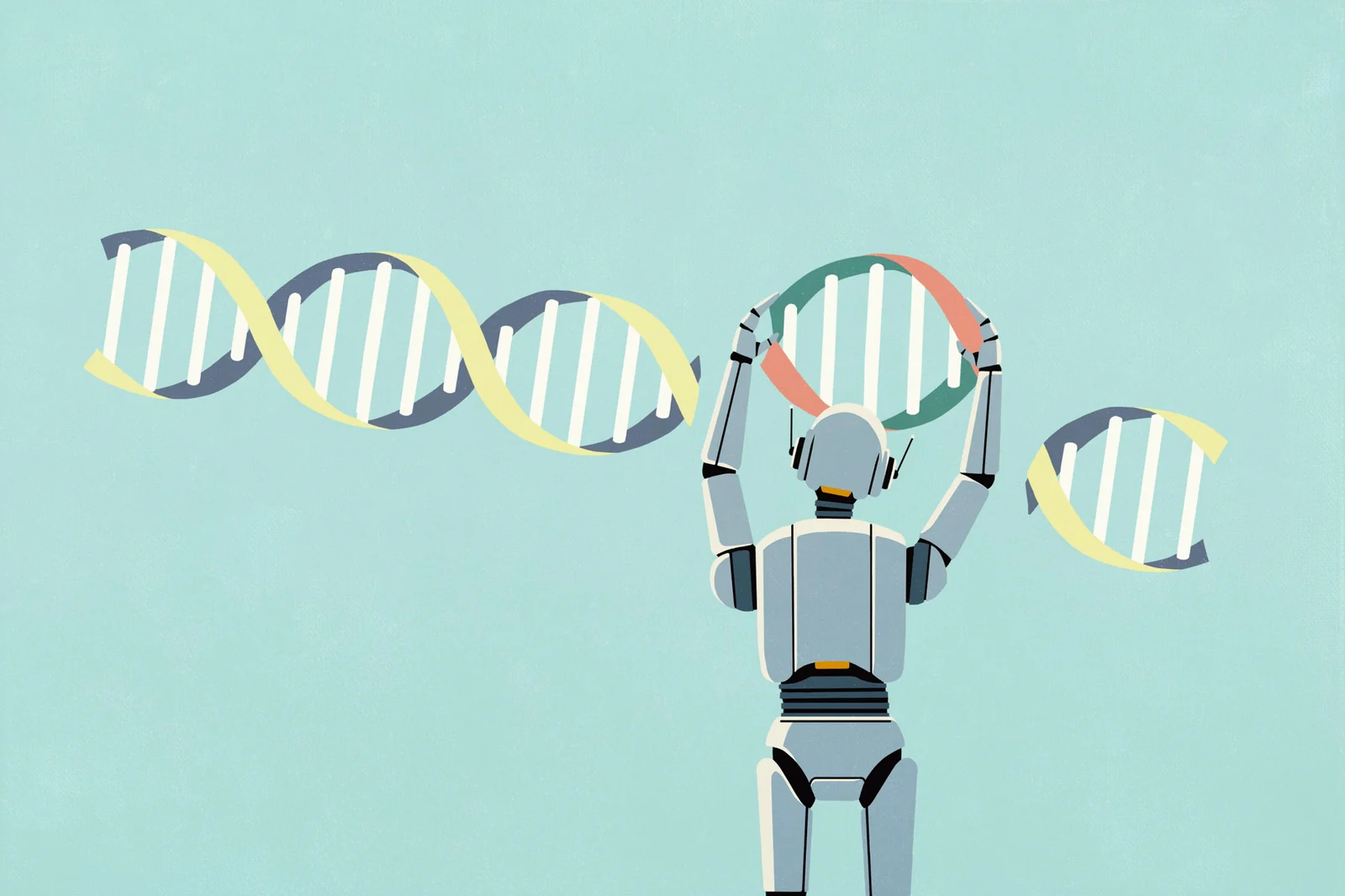
In bioengineering, AI is shifting cancer onset at its roots by rewriting the program within tumor cells with significantly higher precision than previous biomarkers, by transporting a genetic synthetic payload through lipid nanoparticles to evade detection by the immune system. If scaled, this breakthrough poses an exciting possibility for the future of administering cancer treatment at the source. Meanwhile, AI algorithms are helping researchers narrow down specific chemical compounds that could provide this alteration, further solidifying the vital, yet still auxiliary, role of the technology in the medical field.