Five weeks of discovery, curiosity, and hands-on STEM. Twenty camp days, a different part of science every weekday, and a showcase every camper presents.
About the camp
What does science look like when you're eight, nine, or ten? It can mean discovering why your heart beats, how your brain controls your body, what DNA makes you unique, how engineers build machines, or how artificial intelligence can solve problems.
Future Scientists is a five-week virtual STEM camp giving students in Grades 2 to 5 the chance to explore a different part of science every weekday through live lessons, activities, games, demonstrations, and discussion.
The goal isn't to push children into choosing a STEM career early. It's to give them enough experiences to start discovering what makes them curious.
5 weeks · 20 camp days · Grades 2 to 5 · Daily STEM
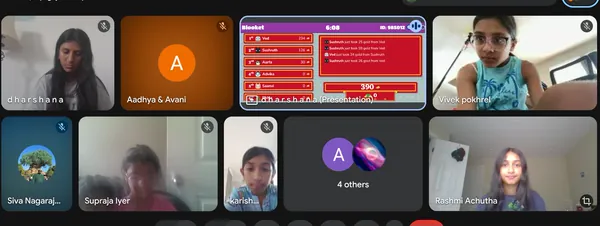
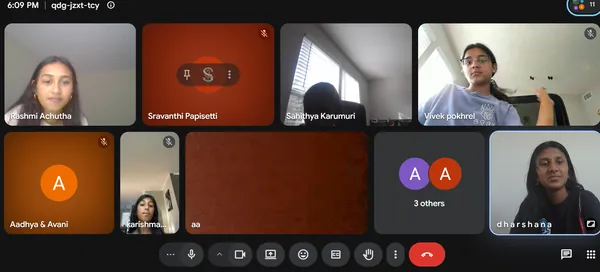
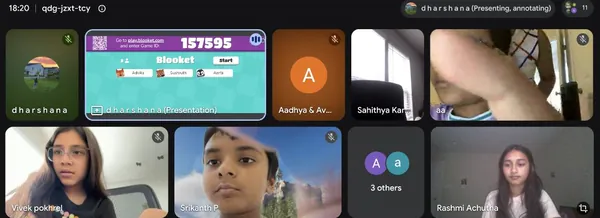
Campers playing a review game during a live session.Future Scientists campers, live from home.
The route through
20 days. A whole world of STEM.
01Days 1 to 5
Meet the human body
Cells · Human body · Brain · Heart · Lungs
Campers begin with themselves. They explore cells as the building blocks of the body before moving into the brain, heart, lungs, and how our major systems work together.
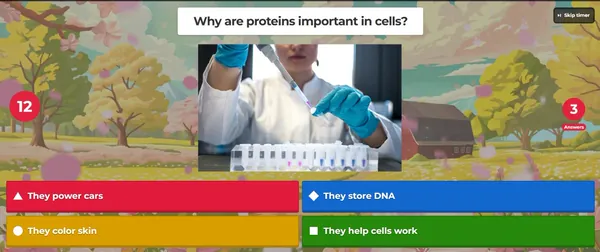
A quick quiz on cells and the proteins inside them.
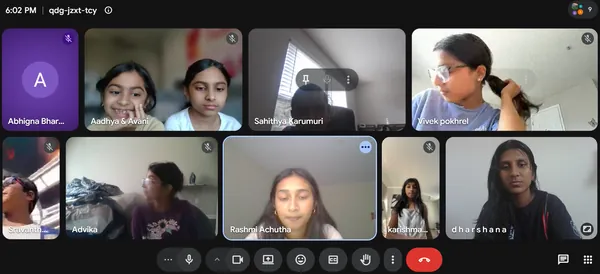
Campers joining a live session from home.
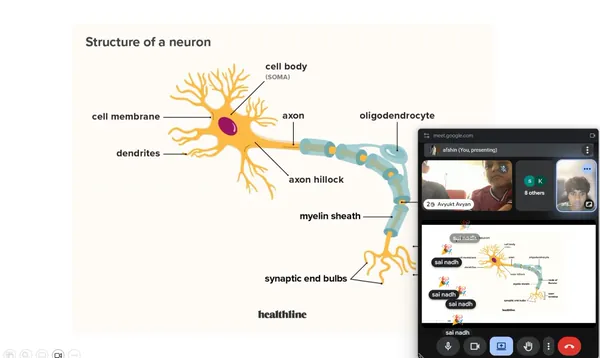
The structure of a neuron.
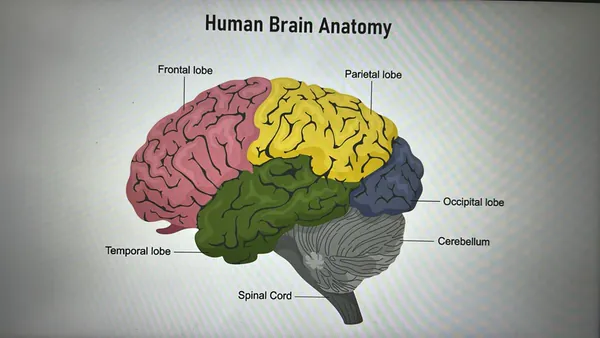
Human brain anatomy.
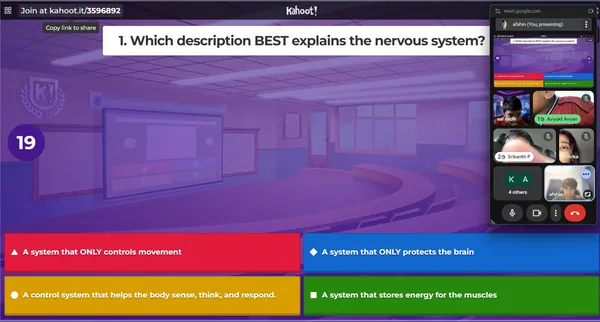
Checking what campers learned about the nervous system.
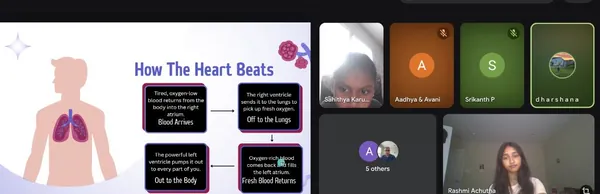
How the heart beats.
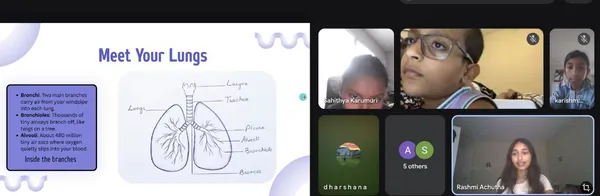
Meet your lungs.
02Days 6 to 10
How our bodies work
Immune system · Digestion · Kidneys · Bones and muscles · Skin
Students go deeper into the systems they interact with every day, from how the body fights germs and processes food to how it moves, filters waste, and protects itself.
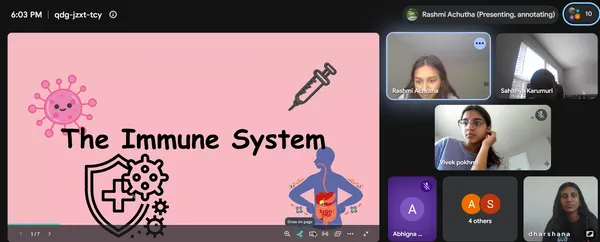
Day 6: the immune system.
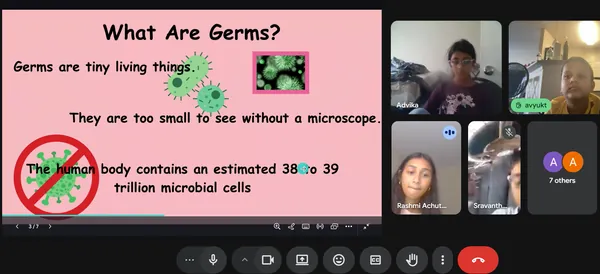
What are germs?
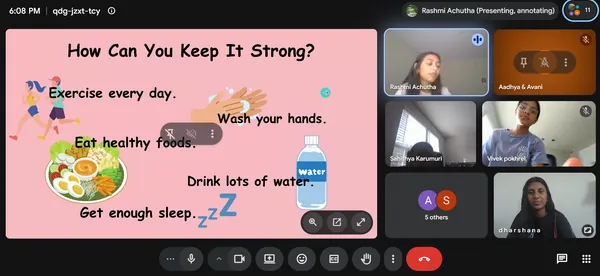
How campers can keep their immune system strong.
Campers during the How Our Bodies Work week.
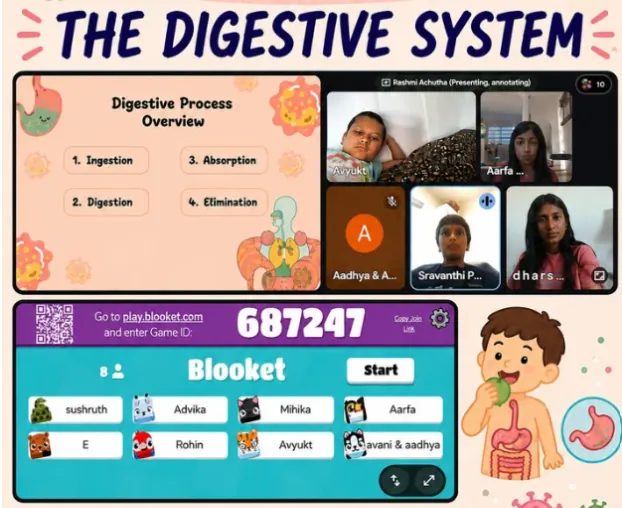
The digestive system, followed by a Blooket review game.
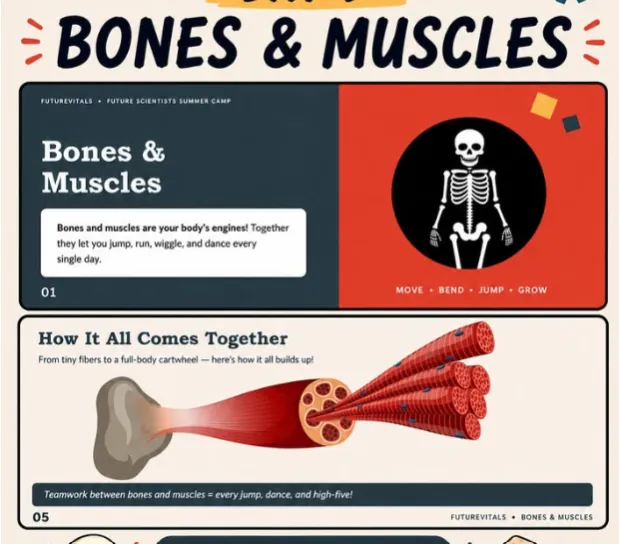
Bones and muscles.
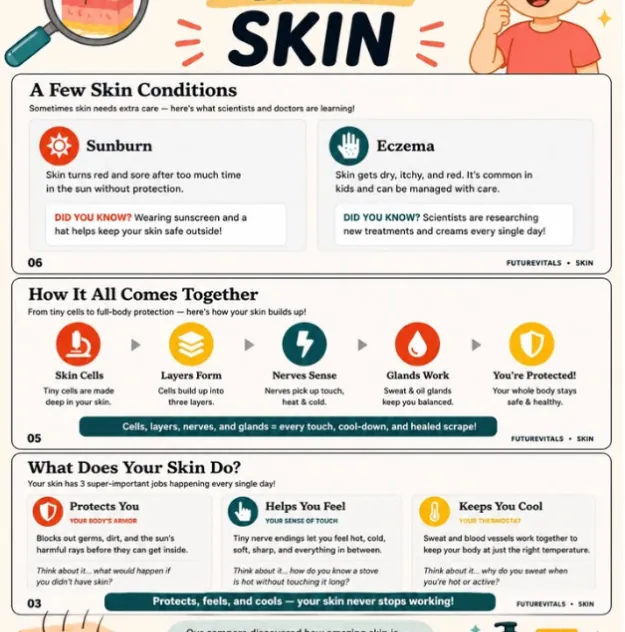
The skin.
03Days 11 to 15
Sense, build and engineer
Five senses · Engineering · Mechanical engineering · Biomedical engineering · Environment and pollution
Science then moves beyond anatomy. Campers explore how they experience the world before stepping into engineering, learning how people design machines, solve problems, build medical technology, and use STEM to address challenges around us.
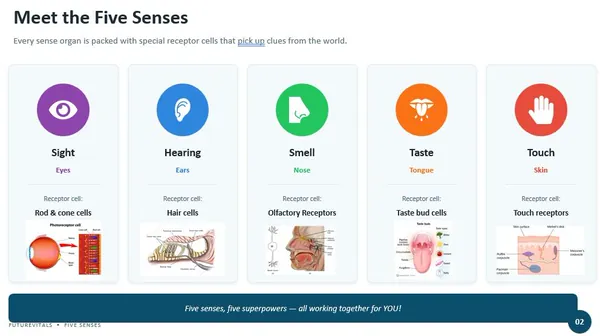
Meet the five senses.
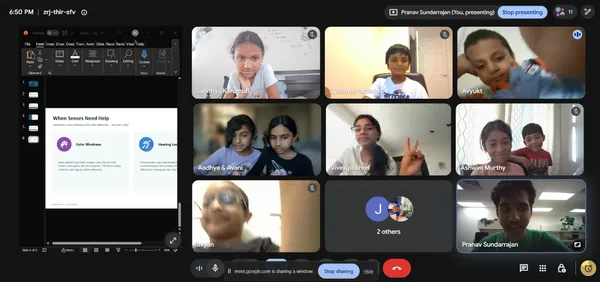
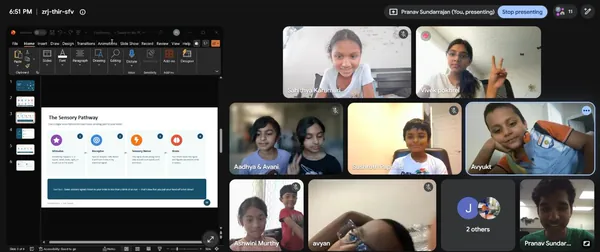
The sensory pathway, shared live with campers.
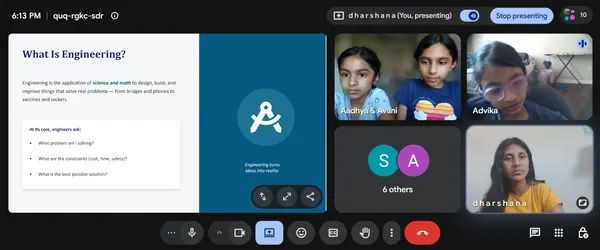
What is engineering?
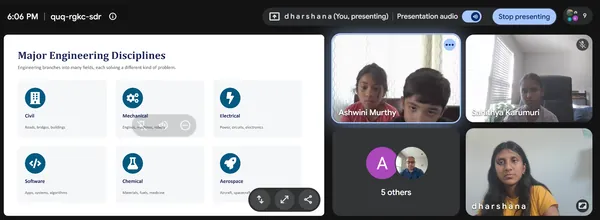
The major engineering disciplines.
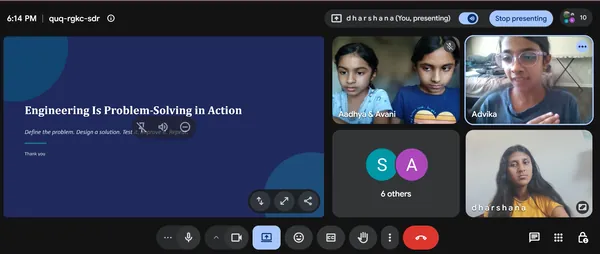
Engineering is problem-solving in action.
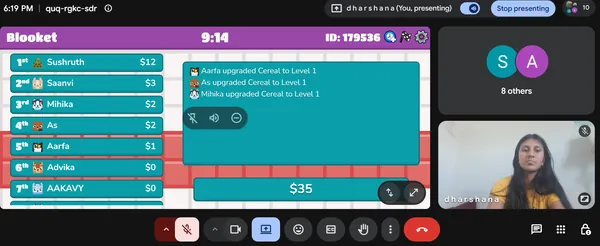
A Blooket game to close out an engineering session.
04Days 16 to 20
Discovery and innovation
DNA and genetics · STEM careers · Medical technology · Artificial intelligence · Camp Showcase
The final part of camp looks toward the future. Students explore genetics, careers in medicine and science, medical technology, and AI before bringing their experience together in the final Camp Showcase.
Photos coming soon
Genetics, careers, medical technology, AI, and the final Camp Showcase.
Every day so far
Twelve days delivered, eight to come.
Day 1 · Welcome to the Academy
Day 2 · Cells
Day 3 · Introduction to the human body
Day 4 · All about the brain
Day 5 · The heart and lungs
Day 6 · The immune system
Day 7 · The digestive system
Day 8 · Kidneys and urine
Day 9 · Bones and muscles
Day 10 · The skin
Day 11 · The five senses
Day 12 · Introduction to engineering
Days 13 to 20 run through mechanical and biomedical engineering, environment and pollution, DNA and genetics, STEM careers, medical technology, artificial intelligence, and the final showcase.
Why start this young
Curiosity starts long before a career does.
A lesson about the brain might spark an interest in neuroscience. Building something might reveal a love for engineering. Learning how the immune system works might simply help a child understand their own body better.
Future Scientists gives children the space to encounter those ideas early and without the pressure of grades or tests.
We're not asking elementary students to decide what they want to become. We're giving them more things to imagine becoming.
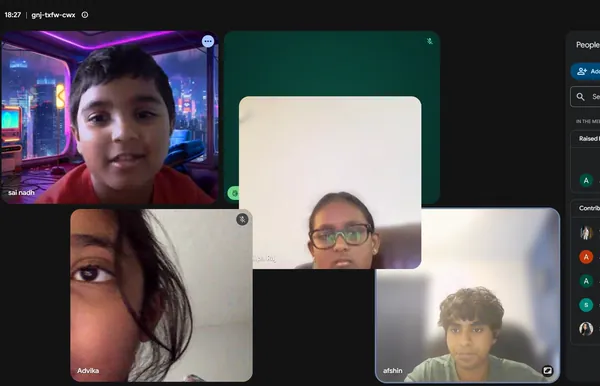
Campers during live Future Scientists sessions.
From learning to sharing
The Camp Showcase
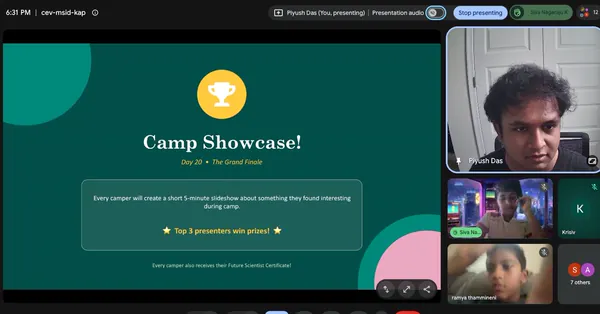
On the final day, every camper will choose something that interested them during the program and create a five-minute presentation to share what they learned.
Every participant receives a Future Scientist Certificate, with prizes recognizing the top 3 presentations.
Every camper
A five-minute presentation
Every camper
Future Scientist certificate
Recognition
Prizes for the top three
Date
August 18, 2026
The Camp Showcase, introduced to campers during a live session.
From our campers and families
Building confidence, one experiment at a time.
I really liked learning about the brain and the heart because I didn’t know they did that much stuff. I told my mom everything after class. I wanna learn about DNA next!
Camper, Grade 3
Engineering was my favorite so far because we got to think of our own ideas and not just listen. I also liked the immune system one. I didn’t know your body had so many ways to fight germs.
Camper, Grade 5
I signed my daughter up because she already enjoyed science, but I didn’t expect her to be this engaged with a virtual program. She’ll come downstairs afterward and start explaining what she learned about the brain or digestive system to us. I really appreciate how approachable the instructors make the material.
Parent of a camper
What I’ve liked most is the variety. My son may not be interested in every area of science, but one day he’s learning about the human body and the next he’s being introduced to engineering. It’s given him a chance to figure out what actually interests him without any pressure.
Parent of a camper
Future Scientists 2026 · Currently underway
20 days. Dozens of ideas. One summer to explore them.
Sessions, activities and discoveries are still to come. This page will carry new highlights from each day’s work through to the showcase on August 18.