
Neuroimmune Sciences Research Initiative
A ten-week international program on how the nervous and immune systems communicate, ending in a publication the cohort writes together.
Exploring the intersection of the nervous and immune systems
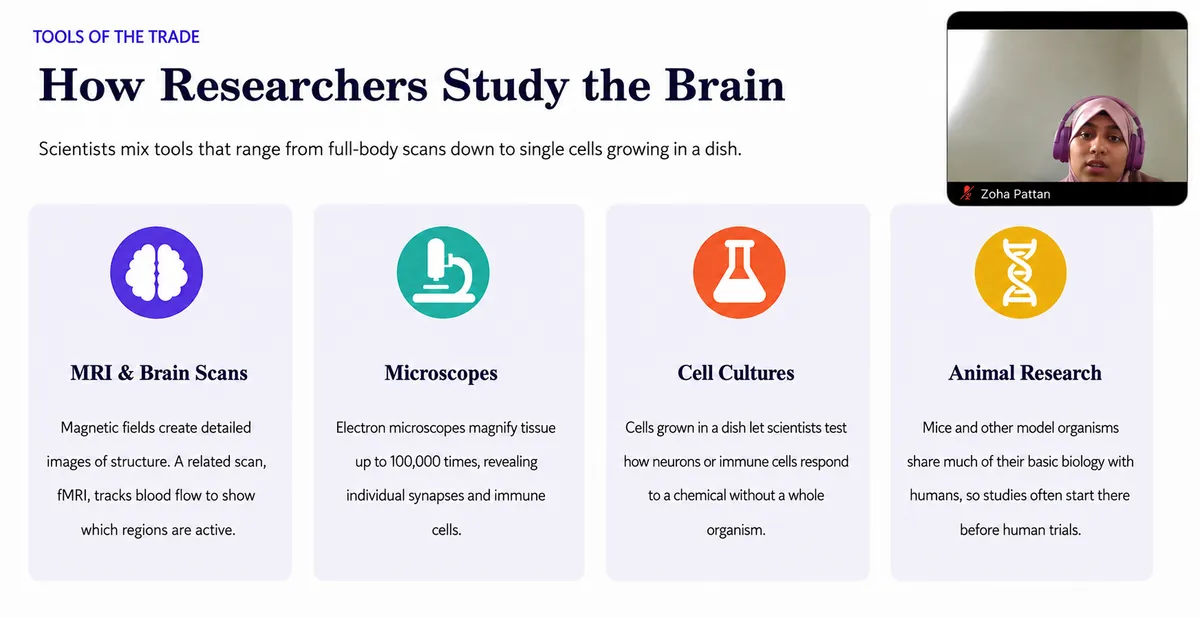
The FutureVitals Neuroimmunology Program is an immersive 10-week international biomedical program introducing 40 students to one of the fastest-growing areas of modern medicine.
Through expert-led instruction, scientific literature, clinical case studies, interactive activities, and collaborative discussions, students explore how the nervous and immune systems communicate, how that relationship changes in disease, and how researchers are working to understand it.
Beyond learning the science, students develop skills in reading research, analyzing evidence, scientific discussion, and communication, ultimately bringing their work together through a collaborative publication.
40 students · 10 weeks · International cohort · Collaborative publication
- Partnership
- With MediQuills
- Dates
- July to September 2026
- Format
- Virtual, international
- Cohort
- 40 students
- Capstone
- Publication-based
- Certificate
- Awarded on completion
Interested in joining a future cohort?
Apply for a future cohortNot ten weeks of lectures
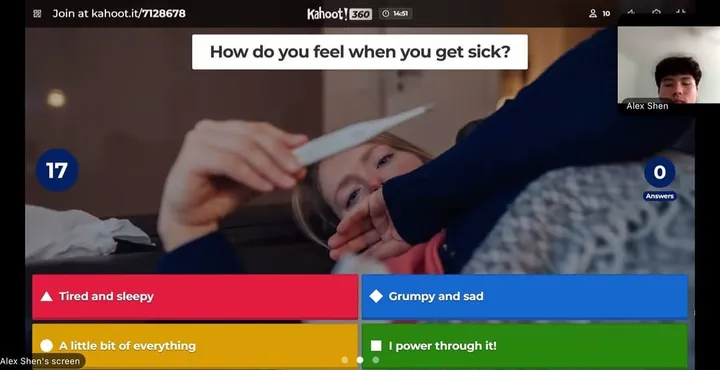
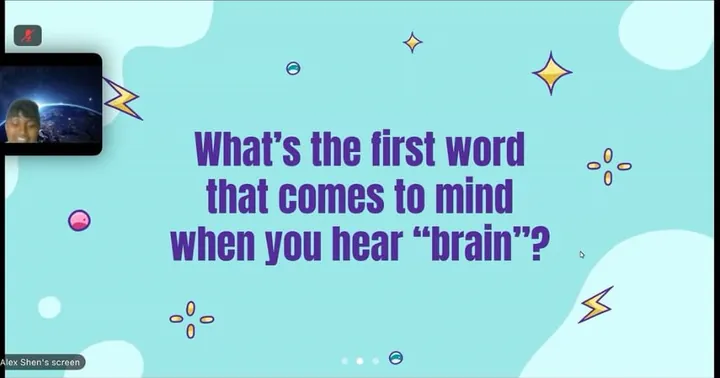
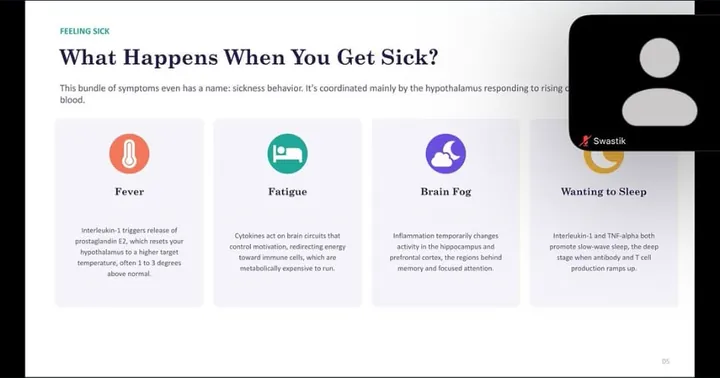
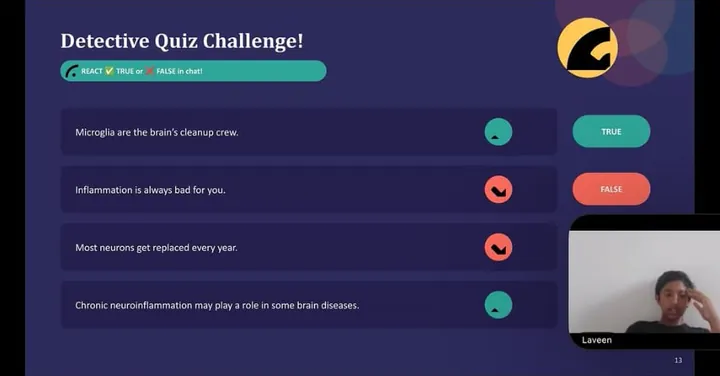
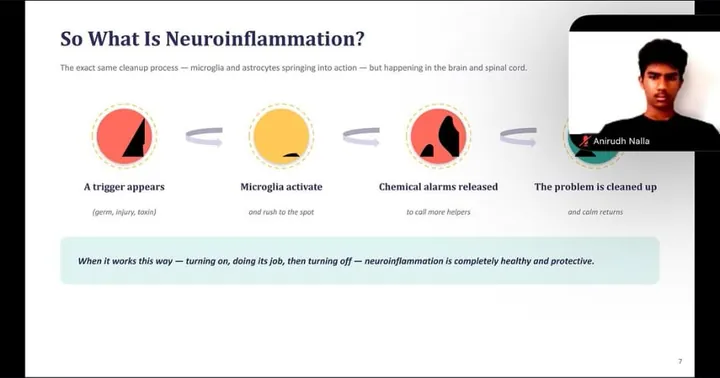
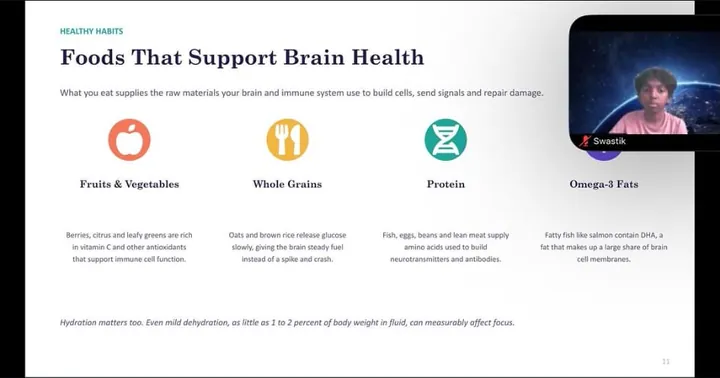
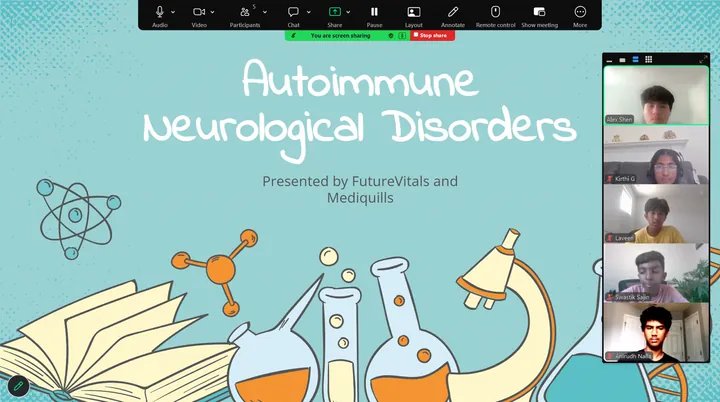
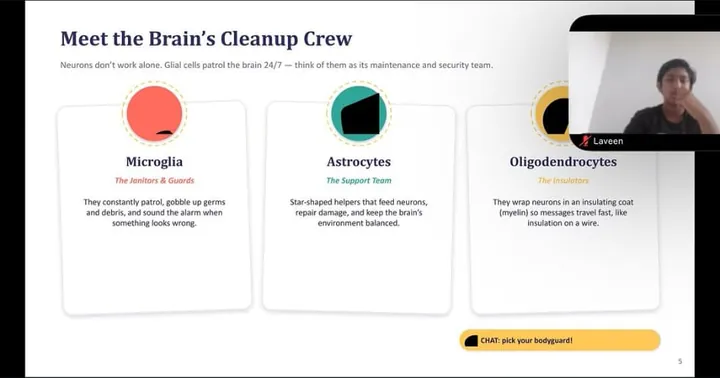
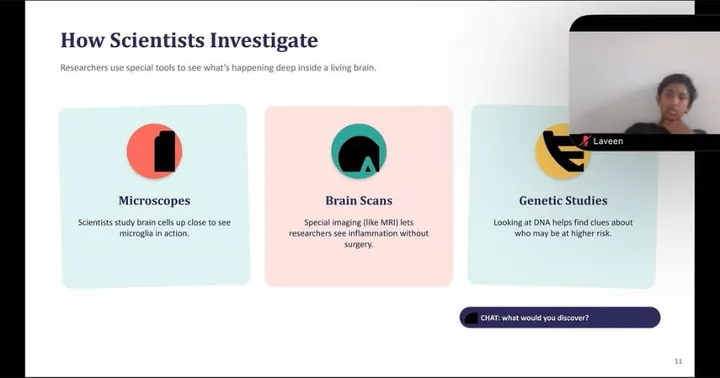
Students learn through live discussions, games, clinical examples, research literature, collaborative activities, and conversations about how these concepts appear in real neurological disease.
As the program progresses, the science becomes more advanced, eventually giving students the foundation they need to work together on their publication.
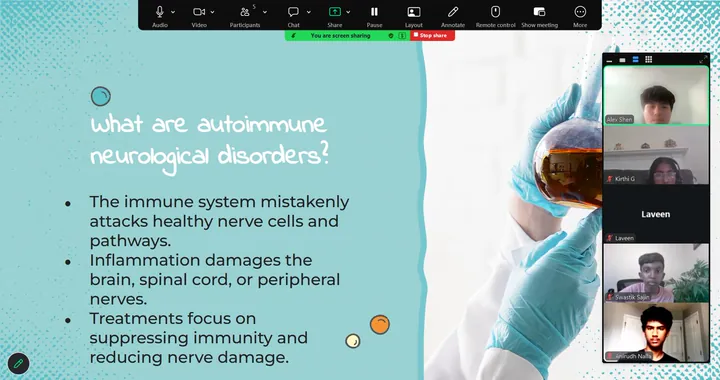
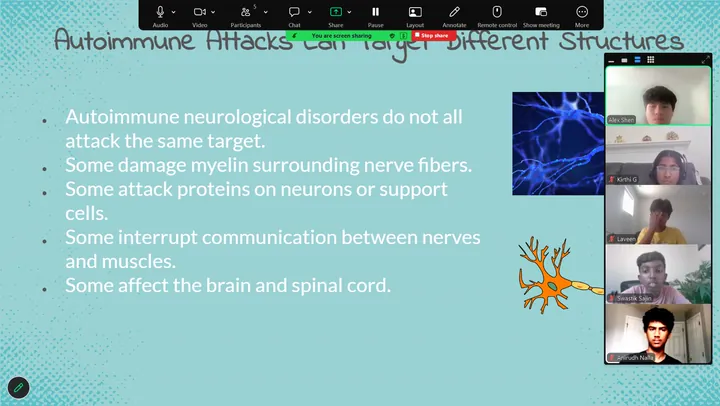
What we’re exploring
- 01
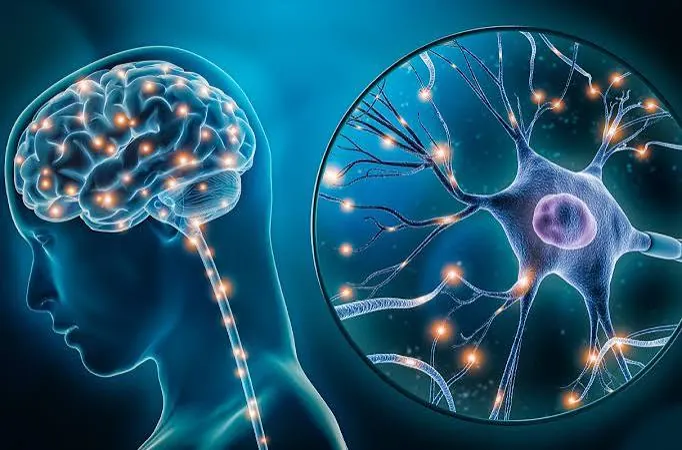
Brain + Immunity
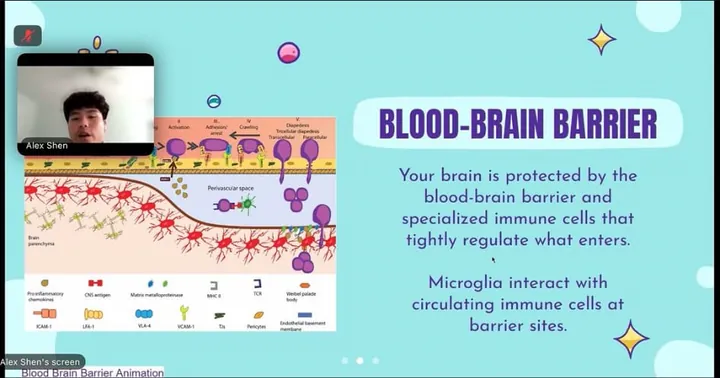
How the nervous and immune systems communicate, including the blood-brain barrier, microglia, immune surveillance, and neuroimmune homeostasis.
- 02
Neuroinflammation
How healthy immune responses can become dysregulated and what chronic inflammation means for the nervous system.
- 03
Neurological Disease
Students have begun connecting these mechanisms to conditions including multiple sclerosis, Alzheimer’s disease, and Parkinson’s disease.
- 04
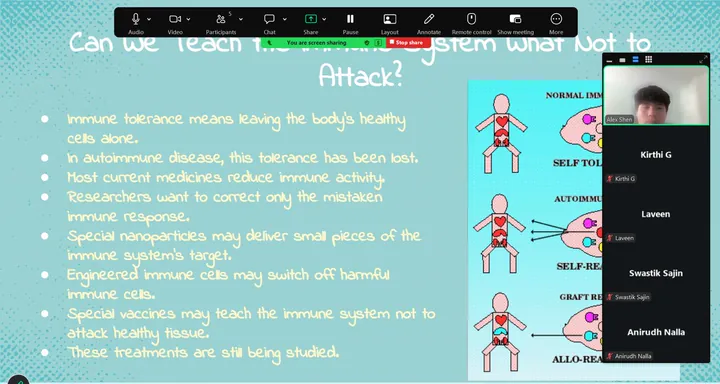
Autoimmunity + Emerging Research
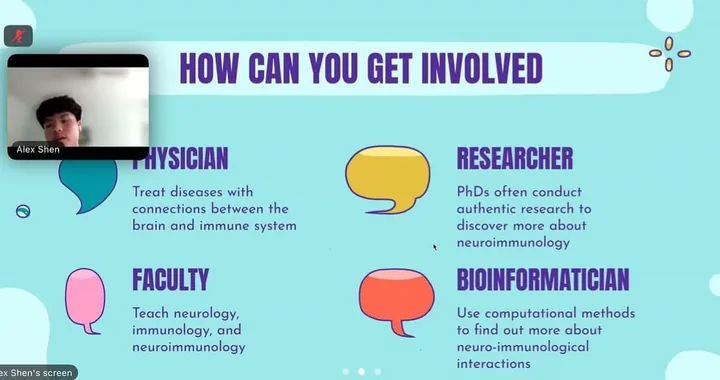
The cohort will continue into autoimmune neurological disorders, emerging therapies, current research, and careers shaping the field.
- 05
Research + Publication
Students will bring what they have learned together through scientific literature analysis, collaborative writing, and development of their final publication.
From the blood-brain barrier to neurodegenerative disease.
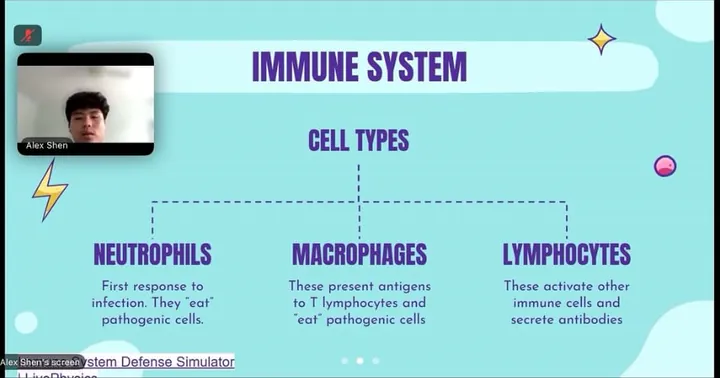
The cohort began by examining how the brain and immune system communicate, including the role of microglia and the blood-brain barrier. Students then explored innate and adaptive immunity, immune surveillance, and neuroprotection before moving into neuroinflammation and its relationship with multiple sclerosis, Alzheimer’s disease, and Parkinson’s disease.
Along the way, students have been discussing scientific research, working through activities and clinical examples, and learning to connect biological mechanisms with disease rather than simply memorizing terminology.
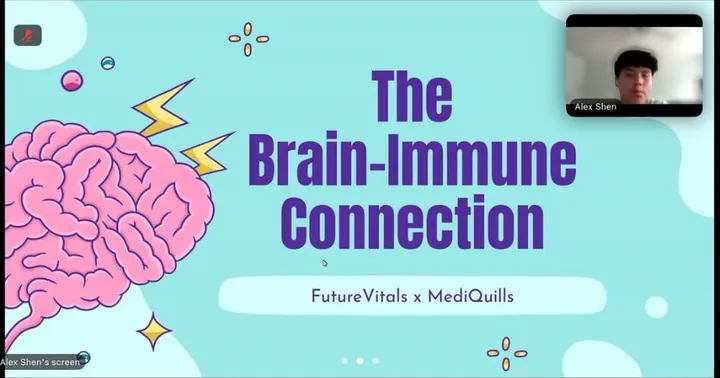
- 13 July 2026 The brain-immune connection Blood-brain barrier and microglia. How the brain and immune system communicate, and the protective role of the barrier and the brain’s resident immune cells.
- 20 July 2026 The immune system in neurological health How the immune system supports normal brain function, and the balance between a healthy immune response and dysregulation.
- 27 July 2026 Neuroinflammation and neurodegenerative disease Multiple sclerosis, Alzheimer’s disease and Parkinson’s disease: how chronic inflammation drives progression, and the therapeutic strategies under study.
- Next Autoimmunity, emerging therapies, publication Autoimmune neurological disorders, current literature, collaborative writing sessions, and the final research symposium.
40 students, one international cohort
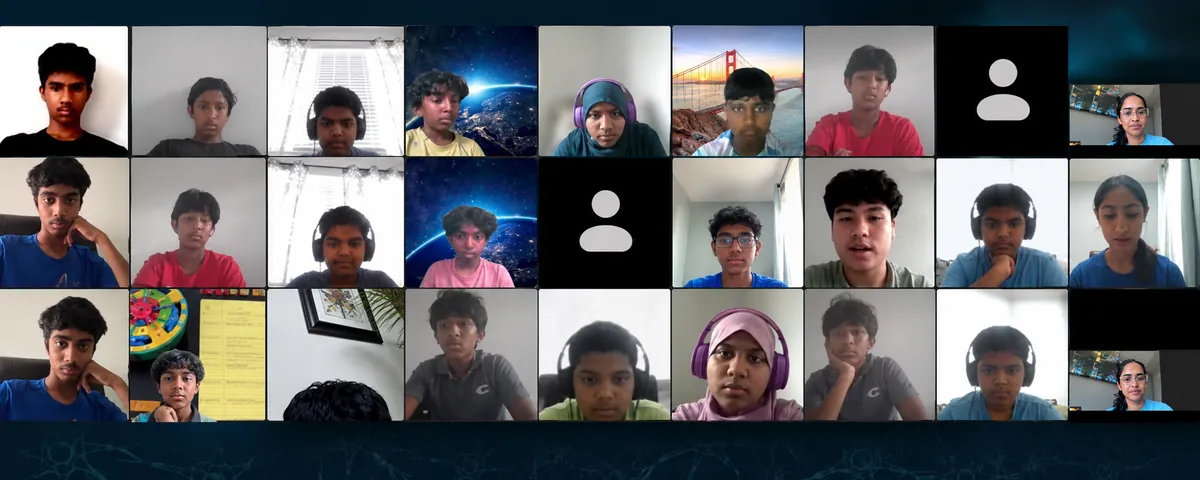
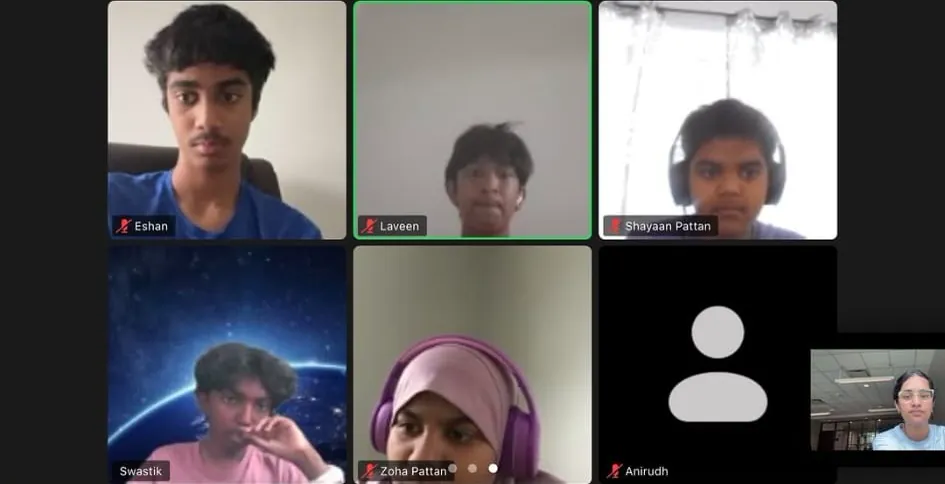
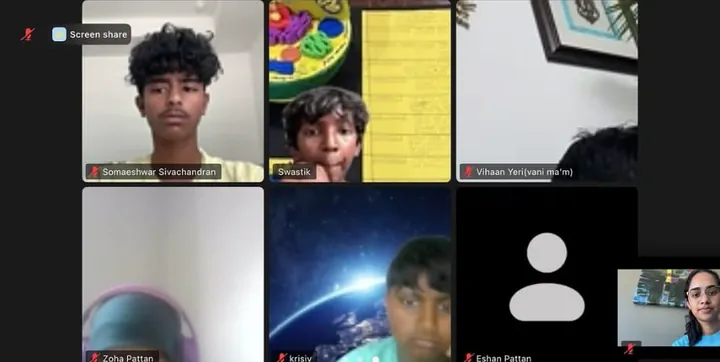
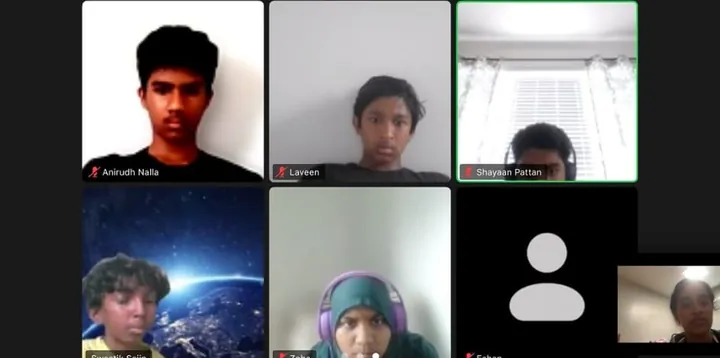
Students with a shared interest in neuroscience, medicine, and biomedical research are learning alongside one another throughout the ten-week program.
The virtual format allows students from different backgrounds and communities to exchange ideas, discuss research together, and approach the same scientific questions from different perspectives.
Only participants who have provided permission to be featured are pictured.
Cohort
40 students
Length
10 weeks
Reach
International
Outcome
Collaborative publication
From learning the science to communicating it.
The program doesn’t end with the final lesson.
Students will use the knowledge and research skills developed throughout the cohort to work toward a collaborative publication, giving them experience with scientific analysis, writing, and communicating biomedical ideas.
Collaborative publication · In development
Building understanding through discussion.
I’ve always been interested in neuroscience, but this program helped me understand how closely it’s connected to the immune system. The workshops are really interactive, and I like that we spend time discussing real research instead of just listening to lectures.
Laveen KarthikeyanOne of my favorite parts has been learning how scientists actually approach neurological diseases. The discussions have made me think about Alzheimer’s and Parkinson’s in a completely different way.
Zoha PattanThe 2026 cohort is underway.
July to September 2026
The 2026 Neuroimmunology cohort is continuing through advanced neurological disease, emerging research, and collaborative publication development.
Follow the cohort as the program continues.